


A Comprehensive Introduction to Lung Cancer
What is Lung Cancer?
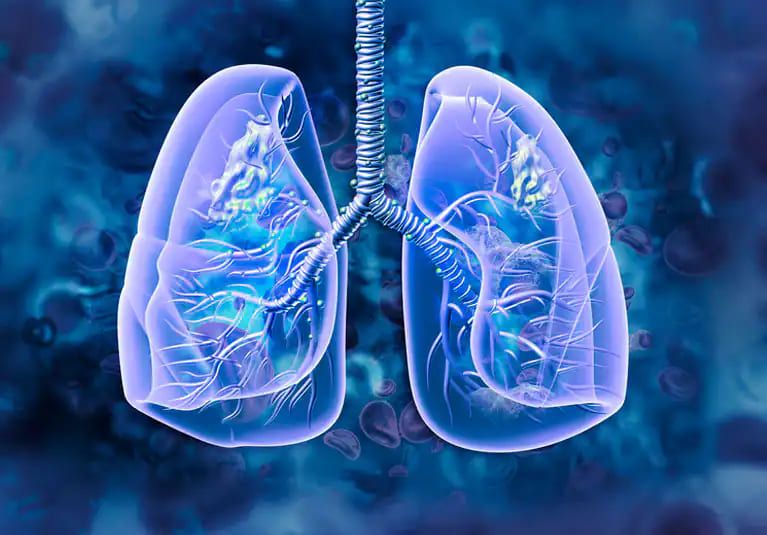
Lung cancer occurs when abnormal cells begin to grow uncontrollably in one or both of the lungs. These cancerous cells can form tumors that interfere with normal lung function and, if left untreated, can spread to other parts of the body.
There are two main types of lung cancer:
1. Non-Small Cell Lung Cancer (NSCLC) - The most common type, accounting for about 85% of all lung cancer cases. NSCLC includes adenocarcinoma, squamous cell carcinoma, and large cell carcinoma.
2. Small Cell Lung Cancer (SCLC) - A more aggressive form that grows and spreads quickly, making up about 15% of lung cancer diagnoses.
Risk Factors and Causes
Cigarette smoking is by far the leading risk factor for developing lung cancer, responsible for an estimated 80-90% of cases. The chemicals in tobacco smoke damage the lungs over time, causing genetic mutations that can lead to uncontrolled cell growth.
Other significant risk factors include:
1. Exposure to secondhand smoke
2. Radon gas in the home
3. Asbestos and other carcinogenic substances
4. Family history of lung cancer
5. Previous lung diseases like COPD or pulmonary fibrosis
While smoking is the primary cause, lung cancer can also occur in individuals who have never smoked. In these cases, genetic factors, environmental exposures, and other unknown mechanisms may play a role.
Symptoms and Diagnosis
Lung cancer often does not produce obvious symptoms in its early stages. As the disease progresses, common signs may include:
1. Persistent cough or changes in a chronic cough
2. Coughing up blood or bloody mucus
3. Chest pain
4. Shortness of breath
5. Wheezing or hoarseness
6. Unexplained weight loss and appetite loss
7. Fatigue
If lung cancer is suspected based on symptoms or risk factors, doctors will typically order various diagnostic tests, such as imaging scans, sputum cytology, and biopsies, to confirm the diagnosis and determine the stage of the disease.
Advancements in Treatment
Treatment options for lung cancer have expanded significantly in recent years, offering patients more hope and better outcomes. The specific approach depends on the type and stage of cancer, as well as the individual's overall health.
Common treatment modalities include:
1. Surgery - Removing the tumor and potentially affected lymph nodes
2. Radiation therapy - Using high-energy beams to kill cancer cells
3. Chemotherapy - Using anti-cancer drugs to destroy rapidly dividing cells
4. Targeted therapies - Drugs that target specific genetic mutations or proteins
5. Immunotherapy - Treatments that boost the body's immune response to fight cancer
For early-stage NSCLC, surgery is often the primary treatment, sometimes combined with radiation or chemotherapy. For more advanced stages or SCLC, a combination of chemotherapy, radiation, and targeted/immunotherapies may be utilized.
Importantly, researchers continue to make significant strides in lung cancer treatment, with an increasing focus on personalized, targeted approaches that leverage the latest scientific and technological advancements. This has led to improved outcomes, reduced side effects, and a better quality of life for many lung cancer patients.
Conclusion
With increased awareness, ongoing research, and access to cutting-edge treatments, the outlook for lung cancer patients continues to improve. By understanding the disease, recognizing risk factors, and seeking prompt medical attention, individuals can take an active role in their lung health and potentially improve their chances of prevention or successful treatment.